How To Choose The Best Skincare for Aging Skin
It’s never too early (or late) to start an anti-aging routine.




Fine lines, dullness, dryness—these are all common characteristics of mature skin. The skin aging process can vary from person to person, but it usually starts becoming evident in your 20s or 30s. While it’s impossible to prevent skin aging entirely, adopting an anti-aging skincare routine can help keep your complexion looking its best, no matter your age. But with so many anti-aging skincare products (and ingredients) to choose from, it can be challenging to determine the right approach for your needs.
Ultimately, the best skincare for aging skin depends on what you’re looking to achieve, be it smoother skin, enhanced clarity, or something else entirely. If you’re not sure where to start, keep reading. Ahead, we’ll explain how to care for aging skin and share our top tips for selecting the right products for your needs.
Skin aging generally falls into two categories: intrinsic aging and extrinsic aging. Intrinsic aging is driven primarily by genetics and the natural aging process and is largely unavoidable. Extrinsic aging—often referred to as photoaging—is caused by external factors, including your lifestyle, environment, and sun exposure. In fact, a study published in Clinical, Cosmetic, and Investigational Dermatology found that UV exposure may be responsible for up to 80 percent of visible facial skin aging, which is one of the many reasons dermatologists recommend wearing broad-spectrum sunscreen every day.
What skin aging looks like can vary from person to person, but it often includes the following concerns:



There are several ingredients that can help address age-related skin concerns while supporting a healthy-looking complexion. Some of the most popular and well-researched ingredients in skincare for aging skin include:
Some might argue that retinol is the holy grail of anti-aging ingredients. According to the Cleveland Clinic, products with this vitamin A derivative can help stimulate collagen production and accelerate cell turnover, which in turn helps minimize the appearance of fine lines, smooth skin’s texture, and improve the look of dark spots and discoloration. Because retinol can be drying or irritating—especially for first-time users—it’s best to introduce it slowly, starting with a lower strength and using it just a few nights per week before increasing frequency as your skin builds tolerance (more on that shortly).
Vitamin C is a powerful antioxidant that, when applied topically, helps protect skin from damage caused by free radicals, including those generated by UV exposure and pollution. It’s typically best used in the morning to protect against external stressors throughout the day. Consistent use over time can also help brighten the skin, improve the appearance of dark spots, and smooth fine lines and wrinkles.
AHAs (like glycolic acid and lactic acid) are chemical exfoliants that help remove dead skin cells from the skin’s surface. By encouraging gentle exfoliation, they can help smooth and refine skin texture and promote a fresher, more youthful-looking complexion. According to Harvard Health, regular use of AHAs over time may improve the appearance of fine lines, skin discoloration, and blotchiness. To avoid over-exfoliation, it’s best to use them just a few times per week and avoid pairing them with other exfoliants or retinol.
Skin tends to become drier with age, which can result in a dull, lackluster complexion. Hyaluronic acid helps attract and trap water in the skin, providing long-lasting hydration to support a dewy, radiant-looking complexion. Many products with hyaluronic acid can temporarily plump the skin, as well, making fine lines and wrinkles appear less prominent.
Niacinamide, a form of vitamin B3, helps support the skin barrier, strengthening the skin’s resistance to external stressors. Products with niacinamide can also help improve tone and texture and reduce the appearance of dark spots for healthier-looking skin overall.
As we mentioned earlier, sun exposure is responsible for the vast majority of facial skin aging. Because it’s nearly impossible to avoid the sun entirely, proper sun protection is the single most important component of any anti-aging skincare routine. The American Academy of Dermatology (AAD) recommends using a broad-spectrum sunscreen with an SPF of 30 or higher every single day, rain or shine. You’ll also want to reapply your sunscreen every two hours (at a minimum), wear protective clothing, and seek shade when possible to keep your skin protected from damaging UV rays.
You don’t need a complicated, 10-step routine to address the visible signs of aging. But you do need the right products. Here, discover our best skincare for aging skin and tips for making the most out of your routine.
Regardless of your age, daily cleansing is essential, and the best routine for mature skin begins with choosing the right face wash. Try to avoid using harsh cleansers, which can irritate your skin and disrupt its natural barrier. Instead, opt for a gentle, nourishing option that won’t strip your skin of much-needed moisture. We’re fond of the L’Oréal Paris RevitaLift Radiant Smoothing Cream Cleanser, which contains vitamin C and helps to smooth, brighten, and refine the skin.
Exfoliation offers a plethora of benefits for your skin—it helps remove dead skin cell buildup, helps keep your pores clear, and promotes a fresh, glowy complexion. It may also help prep your skin to better absorb the rest of your skincare products. One of our favorite exfoliants for all skin types is the L’Oréal Paris Bright Reveal Dark Spot Exfoliant Peel. This potent yet gentle formula boasts a trio of exfoliating acids and helps to fade all types of dark spots while renewing skin texture. Keep in mind that this isn’t a daily-use product—we recommend reaching for it four times per week (at night) to help brighten and refine your skin. If your skin feels dry or tight, dial back your usage to once or twice weekly.


Face serums are among the best products for aging skin, as they’re designed to target specific concerns and help improve your skin’s look and feel. Take your pick from our roster of anti-aging serums below.
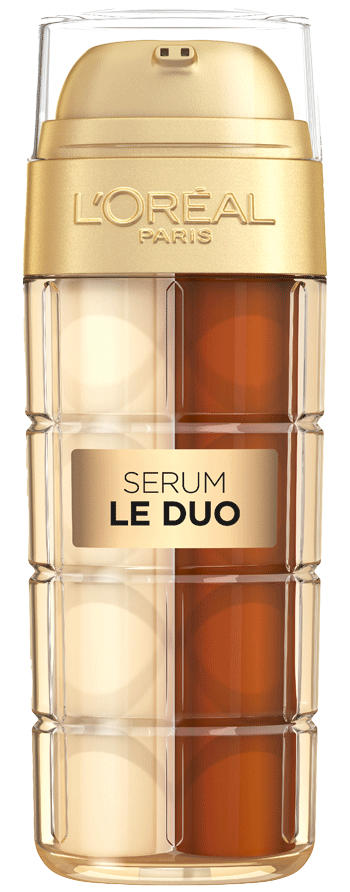
Tackling multiple age-related skin concerns at once is simple with this do-it-all facial serum. The innovative formula combines two serums—one packed with collagen peptides, the other with vitamins C and B3—into one luxurious formula to address 10 signs of skin aging. After just two weeks of use, you’ll notice an improvement in your skin’s firmness and radiance. Continued use over time, meanwhile, leaves the skin smoother, plumper, and more even.
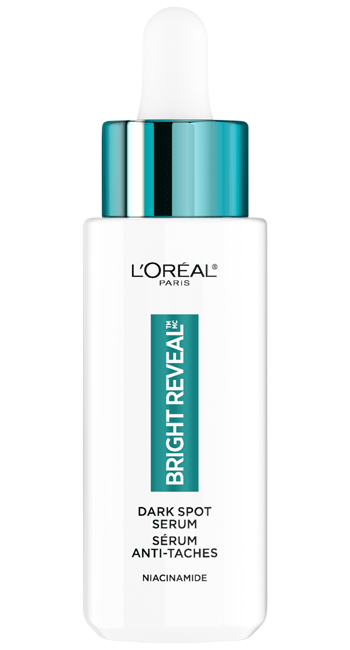
Dark spots are a common sign of skin aging that many people experience. Whether you’re trying to fade post-acne marks or sun-induced discoloration, reach for this niacinamide serum. The brightening formula helps visibly fade all types of dark spots and instantly reveals more luminous, fresher-looking skin.
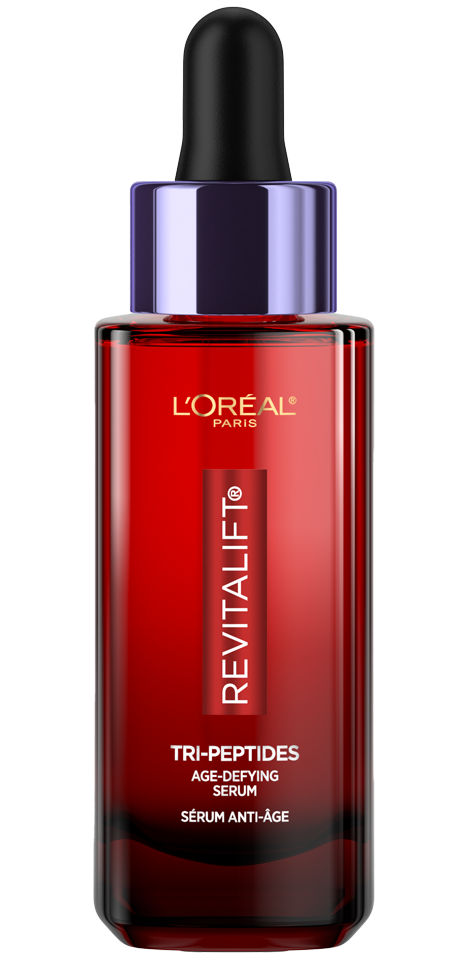
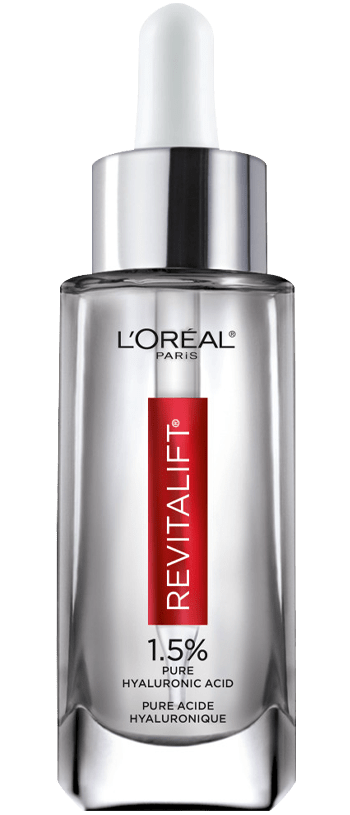
With a powerful blend of hyaluronic acid, vitamin C, and our tri-peptide complex, this anti-aging serum packs a serious punch. It immediately hydrates and smooths thirsty, mature skin, while consistent use helps to brighten, refine, and minimize the appearance of wrinkles.
This targeted antioxidant serum blends pure vitamin C with vitamin E to help boost the look of radiance and skin brightness. It also helps reduce the appearance of fine lines and enlarged pores to promote a smoother, more refined skin texture.

Years of environmental damage (especially from the sun’s harmful UV rays) can leave mature skin looking dull, dry, and textured. This hyaluronic acid serum helps replenish much-needed moisture, leaving the skin with a dewy, radiant glow. With continued use, you’ll notice a visible reduction in the appearance of fine lines and wrinkles for a bouncier, more youthful-looking complexion.
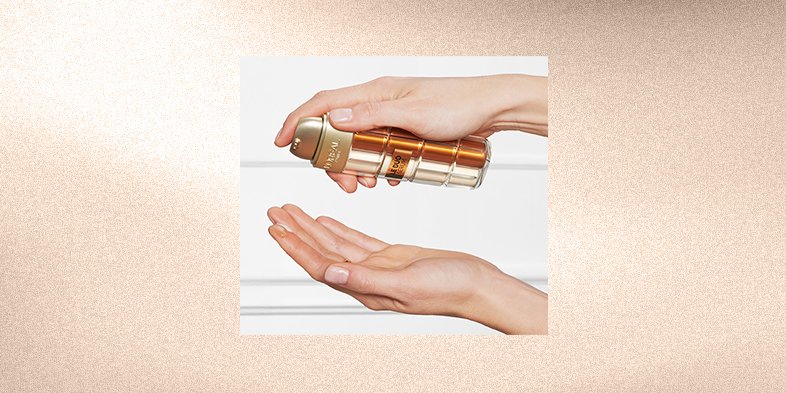
As you age, skin cell regeneration slows down, causing a decrease in your skin’s overall radiance. With continued use over time, this luxurious serum helps your skin appear smoother, firmer, and more radiant. For best results, pat the antioxidant-packed serum onto clean skin morning and night.
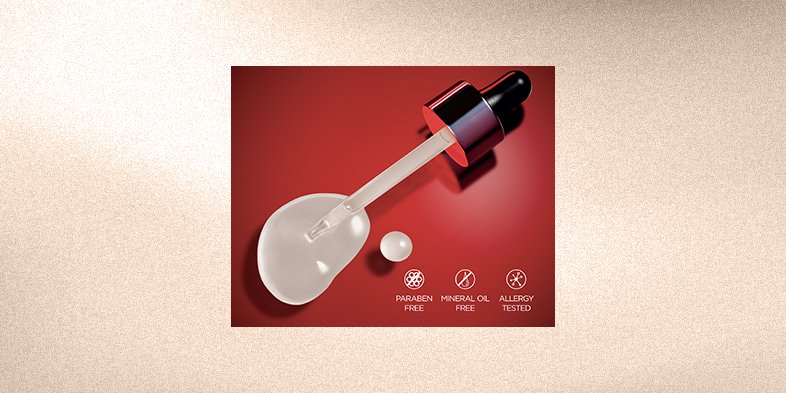
This anti-aging night serum is formulated with soothing ingredients, like glycerin and hyaluronic acid, to help balance out the drying effects of retinol. With consistent use, it reduces the look of wrinkles, smooths skin texture, and boosts radiance. Apply two to three drops onto clean, dry skin one to two nights per week to start. As your skin becomes accustomed to the formula, you can build your way up to nightly usage.


Skincare for mature skin should prioritize hydration, since aging skin gradually loses its ability to retain moisture and maintain a strong barrier. Moisturizers not only help keep skin plump and comfortable but also support the skin barrier, reinforcing its natural defenses against environmental stressors. Here are a few of our favorite anti-aging moisturizers to help promote a hydrated, healthy-looking complexion:
This collagen-infused moisturizer delivers an intense dose of moisture to keep your skin feeling hydrated for up to 48 hours without a greasy or sticky feel. The fast-absorbing formula layers well under makeup, and you can use it morning and night for smoother, plumper-looking skin over time.
Featuring a powerful blend of shea butter, vitamin E, and a patented antioxidant complex, this rich yet non-greasy cream is the perfect pick for those with dry or sensitive mature skin. It helps to replenish the skin’s natural moisture barrier, strengthening its defenses against external stressors, while smoothing and firming the skin over time. Use it at night to replenish your skin while you sleep, or smooth it onto your face and neck as the second-to-last step in your morning skincare routine (sunscreen being the crucial final step).
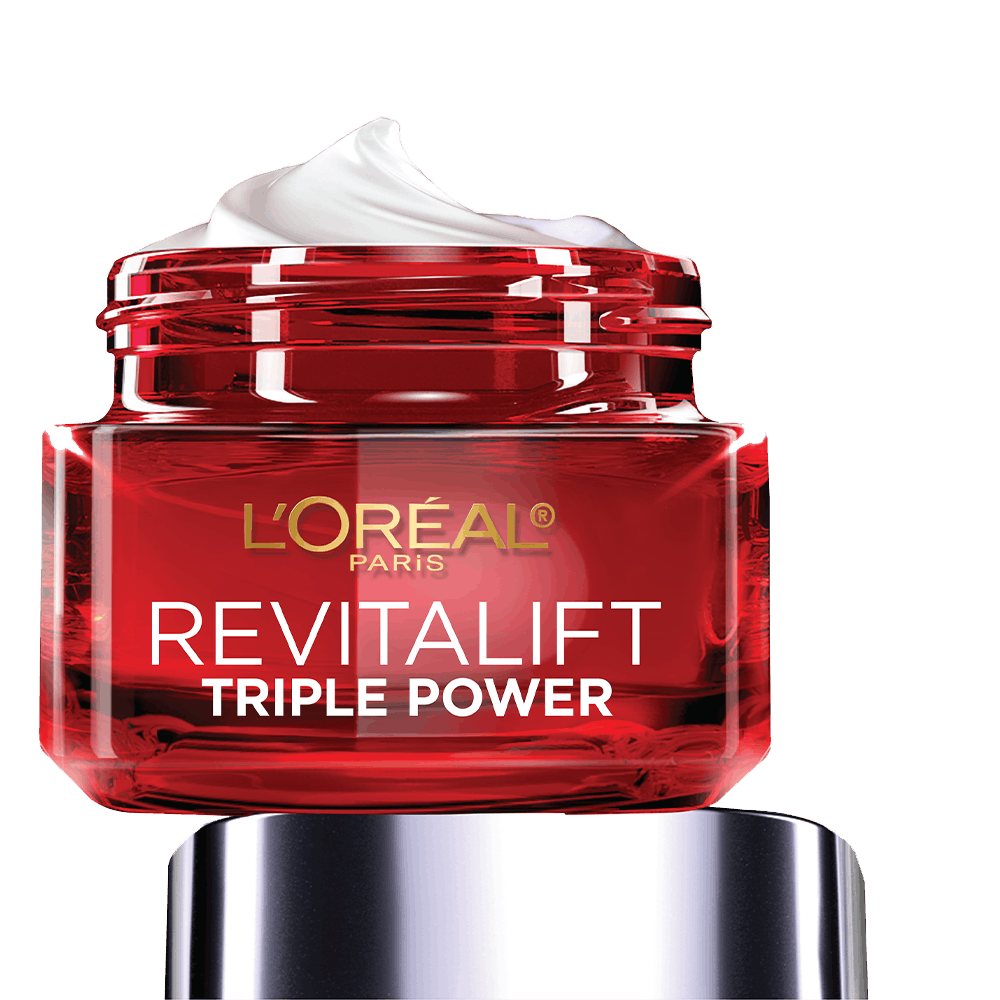
Formulated with three of our top anti-aging skincare ingredients—pro-retinol, vitamin C, and hyaluronic acid—this formula improves the look of wrinkles, brightens skin’s appearance, and promotes firmer-feeling skin in just one week. Plus, it also comes in a fragrance-free version.
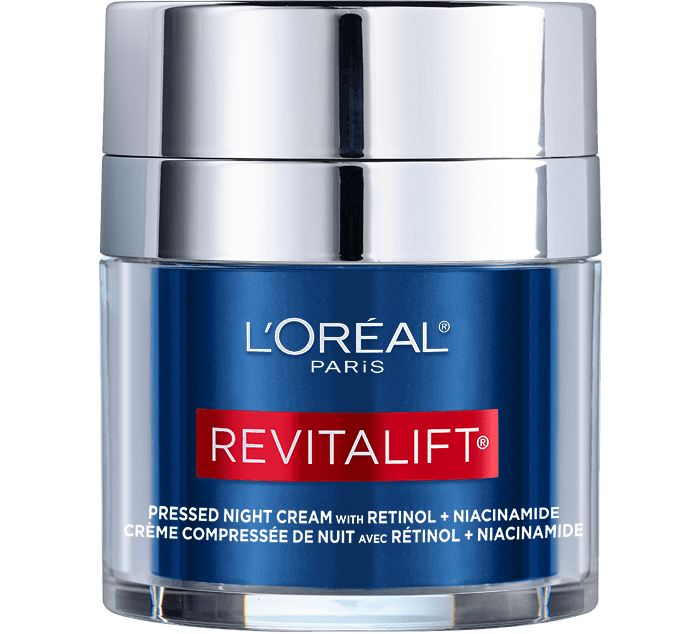
If lines and wrinkles are your primary concern, add this anti-aging moisturizer to your lineup ASAP. It’s formulated with retinol and niacinamide and works to address the key signs of skin aging, including wrinkles and uneven skin texture. It’s also an excellent pick if you’re new to retinoids, as the non-greasy cream contains a 12% complex of soothing ingredients to hydrate your skin and offset the potential drying effects of retinol. We recommend using it twice per week to start and gradually working your way up to nightly usage.
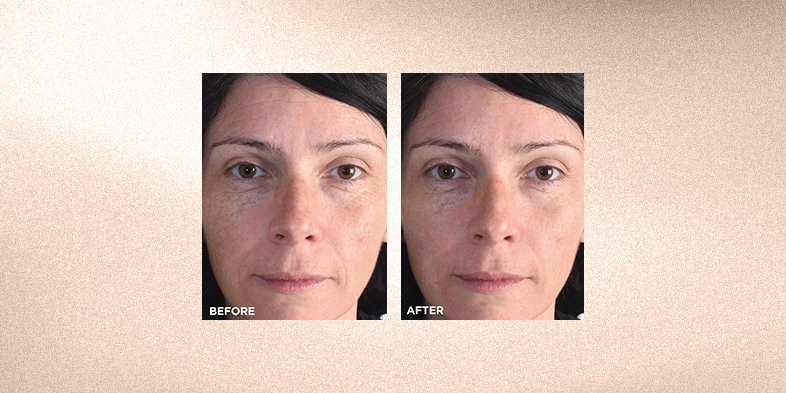


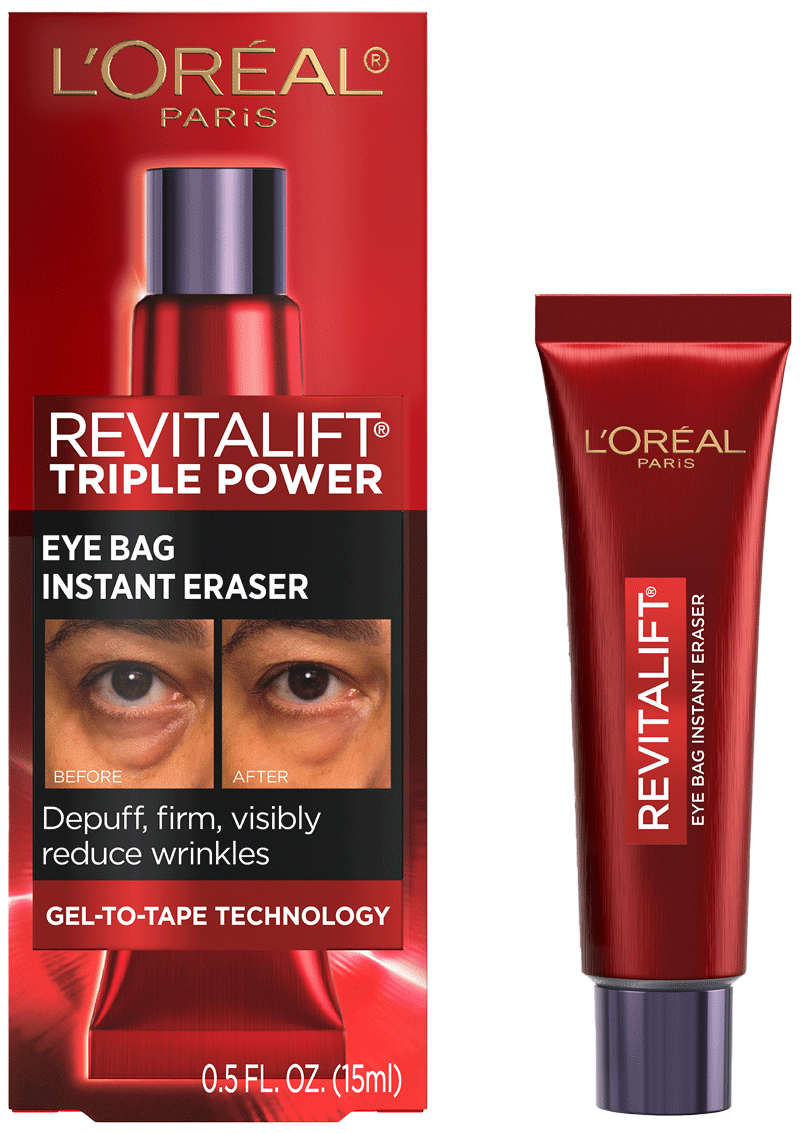
The delicate skin under your eyes needs attention, too, regardless of your age. Look for a nourishing eye cream formula that can help address visible signs of aging around your eyes, such as dark circles and under-eye bags. Morning and night, use your ring finger to massage your chosen formula gently around the eye area until it’s thoroughly absorbed.
One great option to consider for your mature skincare routine is the L’Oréal Paris Age Perfect Midnight Eye Opener. This patented antioxidant and vitamin E formula improves the appearance of eight signs of aging—including crow’s feet, wrinkles, and sagging lids—for visibly lifted, younger-looking eyes.
According to the Cleveland Clinic, damage from the sun’s UVA and UVB rays can contribute to premature signs of aging, like wrinkling, sagging, and age spots. Always remember to apply a product with broad-spectrum sunscreen every day and reapply it at least every two hours for ongoing sun protection. To streamline your morning routine, opt for a moisturizer with SPF built into the formula, such as the L’Oréal Paris RevitaLift Triple Power Moisturizer with SPF 30. Like the original moisturizer, it’s formulated with pro-retinol, vitamin C, and hyaluronic acid and helps address the visible signs of aging. The formula’s broad-spectrum sunscreen, meanwhile, helps shield your skin from damaging UV rays. Remember to heed the FDA's advice and follow other sun safety measures, such as wearing protective clothing and avoiding direct sunlight during midday, to keep your skin well-protected.

According to the Cleveland Clinic, damage from the sun’s UVA and UVB rays can contribute to premature signs of aging, like wrinkling, sagging, and age spots. Always remember to apply a product with broad-spectrum sunscreen with an SPF of at least 30 every day and reapply it at least every two hours for ongoing sun protection. To streamline your morning routine, opt for a moisturizer with SPF built into the formula, such as the L’Oréal Paris RevitaLift Triple Power Moisturizer with SPF 30. Like the original moisturizer, it’s formulated with pro-retinol, vitamin C, and hyaluronic acid and helps address the visible signs of aging. The formula’s broad-spectrum sunscreen, meanwhile, helps shield your skin from damaging UV rays. Remember to follow other sun safety measures, such as wearing protective clothing and avoiding direct sunlight during midday, to keep your skin well-protected.


Let’s skip to the end of the day: Bedtime. Before hitting the sheets, use a makeup remover or double-cleanse to remove makeup, sunscreen, dirt, and other debris that can clog your pores or disrupt your skin barrier. If you don’t have a dedicated makeup remover on hand, micellar water or makeup wipes can work in a pinch, too—just be sure to moisturize after removing your makeup to help replenish your skin.
Sleep gives your body time to refresh and renew itself, making your nighttime routine the perfect opportunity to support skin repair. If you want to target age-related concerns like fine lines and wrinkles, a retinol night cream can be a great choice—but it’s best for those who are ready to introduce retinol into their routine or already tolerate it well. One of our favorites is the aforementioned L’Oréal Paris Pressed Night Moisturizer with Retinol + Niacinamide, which combines retinol with a 12% complex of soothing ingredients to help counteract potential dryness, making it especially suitable for first-time retinol users.
If you prefer to avoid retinol—or are using a separate retinol serum or exfoliant in the evening—a gentle, non-retinol night moisturizer is a smart option to help protect and replenish the skin barrier. The L’Oréal Paris Age Perfect Cell Renewal Midnight Cream has a nourishing, soufflé-like texture that supports barrier repair up to 1.5X faster while you sleep. There’s also a fragrance-free version perfect for those with sensitive or reactive skin.
A common sign of aging skin is a reduction in your skin’s oil production, which can affect your skin’s ability to retain moisture. That’s where a facial oil can help. Facial oils are often applied as the final step in your nighttime anti-aging skincare routine, after moisturizer, but this can vary depending on the formula you choose. To learn more, head to our guide on how to layer your skincare products. A note: If you’re acne-prone, be sure to select a formula that’s labeled non-comedogenic—this means it won’t clog your pores.
While we’re on the subject of beauty sleep, consider how your bedtime rituals can also impact your anti-aging skincare routine. Sleeping on a silk or satin pillowcase can make a difference for your skin because the soft, slinky material is typically gentler than cotton or polyester. It won’t tug or rub on the skin, which can worsen the appearance of fine lines and wrinkles, per the Sleep Foundation.
Maintaining an effective anti-aging routine means adjusting your approach as your skin changes over time. Some steps—like cleansing, moisturizing, and applying sunscreen—remain essential, but the products and ingredients you rely on may evolve to meet your skin’s needs. In your 20s, the focus is largely on prevention: protecting your skin from sun damage with daily SPF and supporting its natural defenses with antioxidants.
Follow these age-tailored steps to help create a solid, prevention-focused anti-aging routine for your 20s.
Every skincare routine should start with a cleanser. Cleansing is essential at any age—it helps remove dirt, excess oil, and makeup, creating a clean canvas for the rest of your skincare products. Use a formula aligned with your skin type and needs for the best results.
Use a spot treatment or facial serum to help address specific skin concerns you may have, such as breakouts, enlarged pores, or dark spots. A niacinamide serum can be a great option for your 20s—this ingredient can help fade dark spots and is often well-tolerated by most skin types.
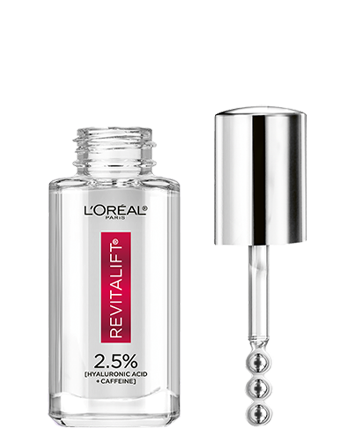
Since the skin around your eyes is so delicate (and, therefore, may show signs of aging sooner), it can be a good idea to start using an eye cream (or serum) in your 20s. Try the L’Oréal Paris RevitaLift Derm Intensives 2.5% Hyaluronic Acid + Caffeine Eye Serum. It provides an instant burst of hydration and helps to depuff and brighten tired-looking eyes. Plus, it features a stainless steel roller ball applicator that makes for an incredibly relaxing application.
All skin types should moisturize after cleansing with a hydrating formula that won’t clog your pores. Generally speaking, it’s not a good idea to skip moisturizer, and that goes for skincare in your 20s. If you avoid moisturizer out of an assumption that your skin is already “oily enough,” it may backfire—drying out your skin may actually cause your skin to overcompensate by producing even more oil. Use a water-based formula (the ultra-lightweight L’Oréal Paris RevitaLift Micro Hyaluronic Acid + Ceramides Line-Plumping Water Cream gets our vote) and apply a generous amount to your face and neck to help lock in moisture.
Sunscreen should always be applied as the last step of your daytime skincare routine, after moisturizer and before makeup. Getting into the habit of wearing sunscreen every day when you’re young can help prevent premature skin aging down the line, too.

The skincare routine you follow in your 20s will likely stay similar as you enter your 30s, but this is often the time to start introducing targeted active ingredients. Incorporating gentle retinol, low-strength acids, or other proven actives can help address early signs of aging while supporting long-term skin health. Here’s an easy anti-aging skincare regimen to try in your 30s.
Your cleanser of choice can usually stay the same as you reach your 30s—just make sure to continue washing your face twice a day (and after sweating) to help prevent clogged pores.
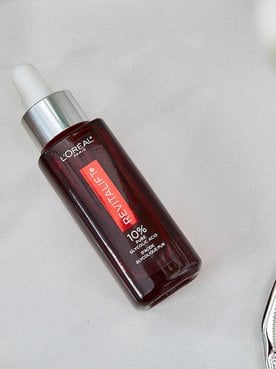
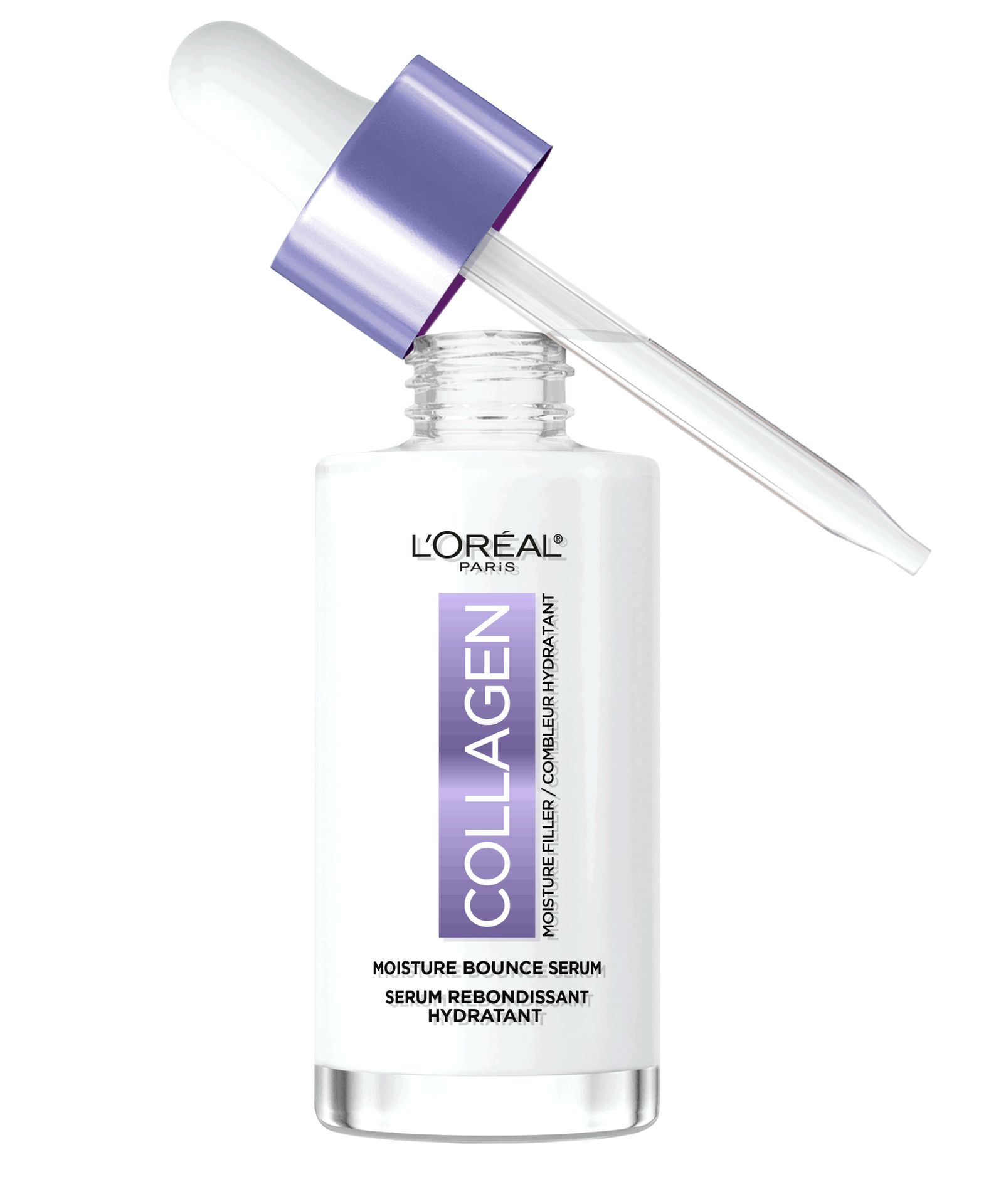
Research shows that skin cell turnover slows down as you age, which can lead to a buildup of dead skin cells. To help address this, use an exfoliating serum to help remove dead skin cells and revive a dull, lackluster complexion. All skin types can benefit from the L’Oréal Paris RevitaLift 10% Pure Glycolic Acid Serum. The gentle formula contains 10% pure glycolic acid (an AHA) and helps smooth, brighten, and refine the skin with regular use over time. If daily use proves too harsh for your skin, alternate with a gentle hydrating serum, such as the L’Oréal Paris Collagen Moisture Filler Moisture Bounce Serum.
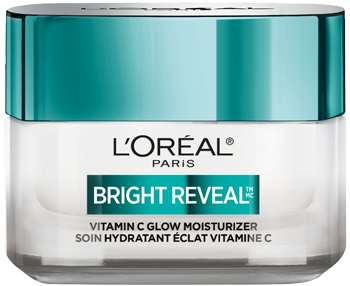
If you find your skin beginning to feel a bit drier as you enter your 30s, swap your old go-to moisturizer for a slightly richer formula to help support your skin’s changing needs. We’re big fans of the L’Oréal Paris Bright Reveal Vitamin C Glow Moisturizer. It delivers up to 72 hours of non-greasy hydration and helps brighten the skin to promote a radiant, youthful-looking complexion.
Eye care continues to be important in your 30s, so make sure you’re applying your chosen formula correctly. Focus on smoothing your cream or serum along your undereyes from the inner corner to the temples. Remember to pat in any excess product with your fingers to help ensure it absorbs.
Sunscreen should be a staple in your routine by now, but if it isn’t, there’s no time like the present to start wearing it. Apply it every day—even on cloudy days and when staying indoors (UV rays can penetrate through windows).


By the time you reach your 40s, you may notice your skin becoming drier, duller, and more prone to sensitivity. At this age, your anti-aging skincare regimen should prioritize hydration, barrier repair, and consistent care. Here’s one example of how a routine in your 40s and beyond might look.
Once you reach 40, it’s a good idea to switch to a cleanser designed to hydrate and nourish your skin, rather than one that exfoliates or fights blemishes. Cream-based cleansers are often great for this, as they’re usually formulated with emollient ingredients to help smooth and soften the skin.
To help keep your skin as nourished as possible, try adding a hydrating serum to your anti-aging skincare routine. Look for formulas with hyaluronic acid, a humectant ingredient that helps plump and hydrate your skin. You’ll find hyaluronic acid in many of the serums we mentioned above, including the L’Oréal Paris Age Perfect Skin Care Cell Renewal Midnight Serum.
Eye cream is an important part of any skincare routine for mature skin. These formulas moisturize and help reduce the appearance of fine lines and crow’s feet wrinkles. In your 40s, you can typically start applying eye cream as part of both your morning and nighttime routines (if you aren’t already doing so).
As we mentioned before, moisturizer is essential in any anti-aging skincare routine. In the morning, try a brightening formula, such as the L’Oréal Paris RevitaLift Triple Power Moisturizer with SPF 30, to help promote a radiant-looking complexion. In the evening, reach for a rich-textured cream, like the L’Oréal Paris Age Perfect Cell Renewal Midnight Cream, to help replenish your skin while you sleep.
Sunscreen is non-negotiable in your 40s and beyond. This essential product will help you avoid the aging effects of sun damage, which include skin discoloration, wrinkles, and loose, sagging skin.
If you’ve never used anti-aging skincare products before, you may be wondering how best to get started—and when you can expect to see results. Here are a few tips to keep in mind as you begin your journey:
Next Up: 8 of our Favorite Anti-Aging Creams for Supple, Youthful-Looking Skin
Photo courtesy of L’Oréal Paris

This site is intended for US consumers. Cookies and related technology are used for advertising. To learn more, or opt-out, visit AdChoices and our privacy policy.
Your Privacy Choices
 Notice at Collection